

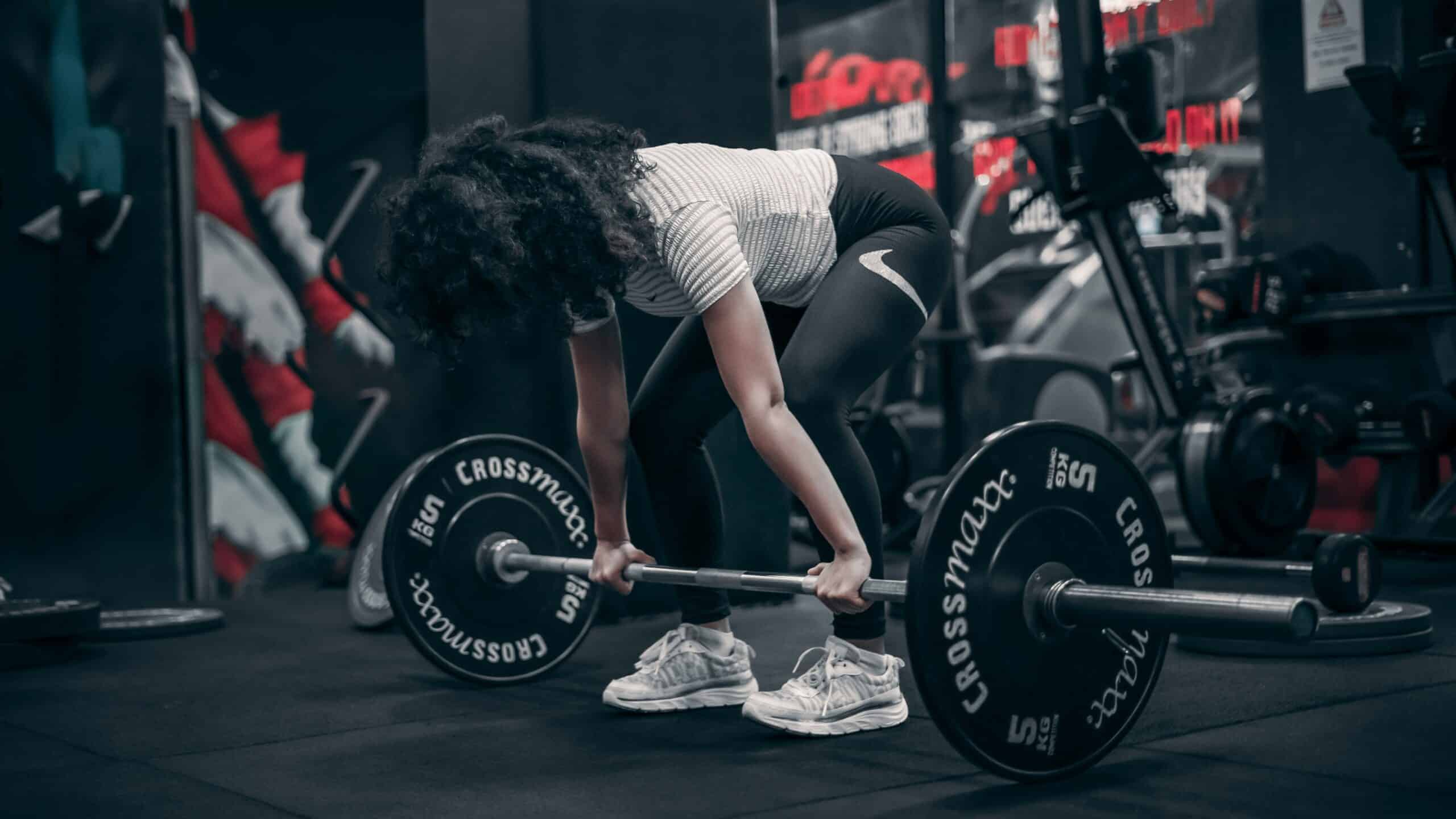
Here’s what I see constantly: people who want to change how their body looks, logging hour after hour of steady-state cardio, and wondering why nothing is actually changing. The answer is straightforward and a little inconvenient.
Cardio burns calories. Strength training builds muscle. And if what you want is a leaner, more defined, stronger-looking body, muscle is what gets you there. Not the elliptical.
The “toned” conversation we need to have
“Toned,” “lean,” “sculpted” — whatever word you prefer, the physical reality underneath all of them is the same thing: muscle definition. And muscle definition requires two things: enough muscle mass to be visible, and low enough body fat for it to show. Cardio alone addresses neither of these effectively.
To build muscle, you have to apply resistance. Your body responds to the demand placed on it — and a 45-minute jog at the same pace you’ve been running for two years is not a demand. It’s a habit. Habits maintain. They don’t transform.
The “toned” look is not a special kind of muscle. It’s muscle that’s visible. You build it by lifting. You reveal it through nutrition. Cardio is a supporting player, not the main event.
What about getting bulky?
This comes up every single time, so let’s just address it directly. Building significant muscle mass — the kind that reads as “bulky” — requires years of dedicated training, a sustained caloric surplus, and hormonal conditions that most people simply don’t have. It is not something that happens by accident. It is genuinely hard to achieve even when people are actively trying.
The fear of accidentally becoming too muscular from lifting weights is one of the most persistent myths in fitness, and it has kept an enormous number of people from training in a way that would actually serve their goals. Pick up the heavy thing. You’ll be fine.
How rep ranges work
Not all lifting is the same. The number of reps you perform per set influences what adaptation your body makes. Here’s a simplified breakdown:
| Rep range | Primary adaptation | Load |
|---|---|---|
| 1–5 reps | Strength | Heavy |
| 6–12 reps | Hypertrophy (muscle growth) | Moderate |
| 12+ reps | Muscular endurance | Lighter |
For most people whose goal is building a stronger, more defined body, the 6–12 rep range is your primary focus. That means choosing a weight that genuinely challenges you by the last two to three reps of each set — not a weight you could do for 30 if you wanted to.
High-rep, low-weight training has its place. But if you’ve been doing three sets of 15 with the same dumbbells for six months and nothing is changing, the weight is too light.
The Case for Free weights over machines, here’s why
Machines have their uses, especially for beginners learning movement patterns or for isolating specific muscles. But free weights — dumbbells, barbells, kettlebells — require your body to stabilize and balance the load, which recruits more muscle, burns more energy, and translates better to real-life strength.
They’re also significantly more versatile. One pair of dumbbells can replace an entire cable machine setup if you know what you’re doing with them.
A sample full-body dumbbell workout to start
If you’re new to strength training or returning after a break, full-body workouts two to three times per week on non-consecutive days is a smart starting point. Here’s one to try:
4 sets · 12 reps each · rest 60–90 sec between sets
Full-body dumbbell circuit
Choose a weight that makes the last two reps of each set genuinely hard. If you finish every set feeling like you could have done ten more, go heavier.
The bottom line
Cardio is not the enemy. It supports cardiovascular health, improves recovery, and has a real role in a well-rounded training program. But if your goal is to change how your body looks and feels — to build the strength and definition that most people are actually after — resistance training is what gets you there.
The treadmill will not build your arms. The squat rack will. Start there.
Want a structured program that builds this in from day one? The Four Percent membership includes progressive strength programming, habit coaching, and everything you need to stop starting over. See membership options →


