Button Text

The Blog

You can’t out-train a bad diet
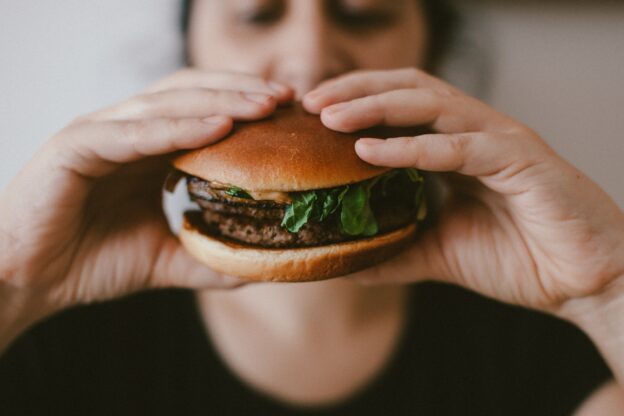
There’s a reason the phrase “abs are made in the kitchen” has survived decades of fitness trends, because it’s essentially true. The reality is you can’t out train a bad diet. You can train five days a week, be consistent, push hard, and still spin your wheels if what you’re eating doesn’t support what you’re working toward. In fact, it’s important to remember that you can’t out train a bad diet no matter how much exercise you do.
I say this as someone who would genuinely eat French fries and ice cream at every meal if that were a viable life plan. It is not. And I’ve made peace with that. Here’s what actually works instead, because ultimately you can’t out train a bad diet in the long run.
The thing nobody wants to hear about nutrition
Nutrition doesn’t have to be miserable, but it does have to be intentional. The “I’ll just eat healthier” approach works for about four days and then falls apart the moment you’re tired, busy, or someone brings donuts to the office. What actually works is having a structure loose enough to live in and consistent enough to move the needle. And remember, you can’t out train a bad diet, so your nutrition matters just as much as your workouts.
You don’t need a specific diet or to cut entire food groups. You don’t need to be perfect. You need to understand the basics well enough to make decisions that serve your goals most of the time — and not spiral when you don’t.
Start with the three macronutrients
Every food you eat is made up of some combination of protein, carbohydrates, and fat. Understanding what each one does for your body is the foundation of eating in a way that supports your training and your goals.
Protein
Builds and repairs muscle tissue. Keeps you full. Supports metabolism. Non-negotiable if body composition is a goal.
Eggs, chicken, fish, lean beef, Greek yogurt, beans, cottage cheese
Carbohydrates
Your body’s preferred fuel source. Feeds muscle performance and recovery. Not the enemy — the source matters.
Sweet potato, rice, oats, fruit, whole grains, vegetables
Healthy fats
Supports hormonal health, heart health, and satiety. Calorie-dense, so portions matter — but don’t avoid them.
Avocado, olive oil, nuts, seeds, almond butter, fatty fish
The goal isn’t to obsess over the ratio of every meal. The goal is to make sure all three are showing up regularly throughout your day — with protein being the one you’re most intentional about, because it’s the most commonly under-eaten and the most important for body composition.
A simple structure that works
Rather than rigid meal timing rules, the more useful framework is this: build each meal around a protein source, and pair it with either a carbohydrate or a healthy fat depending on what your day looks like and what sounds good. This keeps you satisfied, supports steady energy, and removes the decision fatigue of figuring out what to eat from scratch every time.
In practice, it might look something like this:
A sample day
- Breakfast: scrambled eggs + ½ cup steamed broccoli
- Snack: slices deli turkey + handful of almonds
- Lunch: Chicken breast + 2 cups kale + ½ sweet potato
- Snack: Greek yogurt + blueberries + granola
- Dinner: Turkey burger + sliced tomato + ½ cup brown rice
This isn’t a meal plan — it’s an example of what applying the framework looks like in real life. Your version will look different based on your preferences, schedule, and goals. The point is the pattern: protein at every meal, whole food sources, nothing that came out of a bag labeled “low fat” as a selling point. To sum up, you can’t out train a bad diet and that’s why nutrition is always foundational.
A quick note on “low fat” and “fat free” foods: removing fat from food usually means adding sugar or synthetic thickeners to compensate for the taste and texture. Read the ingredient list before the front-of-package claims.
The one rule that actually matters
Eat when you’re hungry. Choose mostly whole, recognizable ingredients. Stay hydrated. And stop treating nutrition like a punishment you have to endure to deserve results.
The goal is a way of eating you can sustain when life is busy, when you’re traveling, when you’re stressed, and when someone puts a slice of birthday cake in front of you. Sustainability is the whole game. Perfection is not.


