Button Text

The Blog

How to actually build muscle
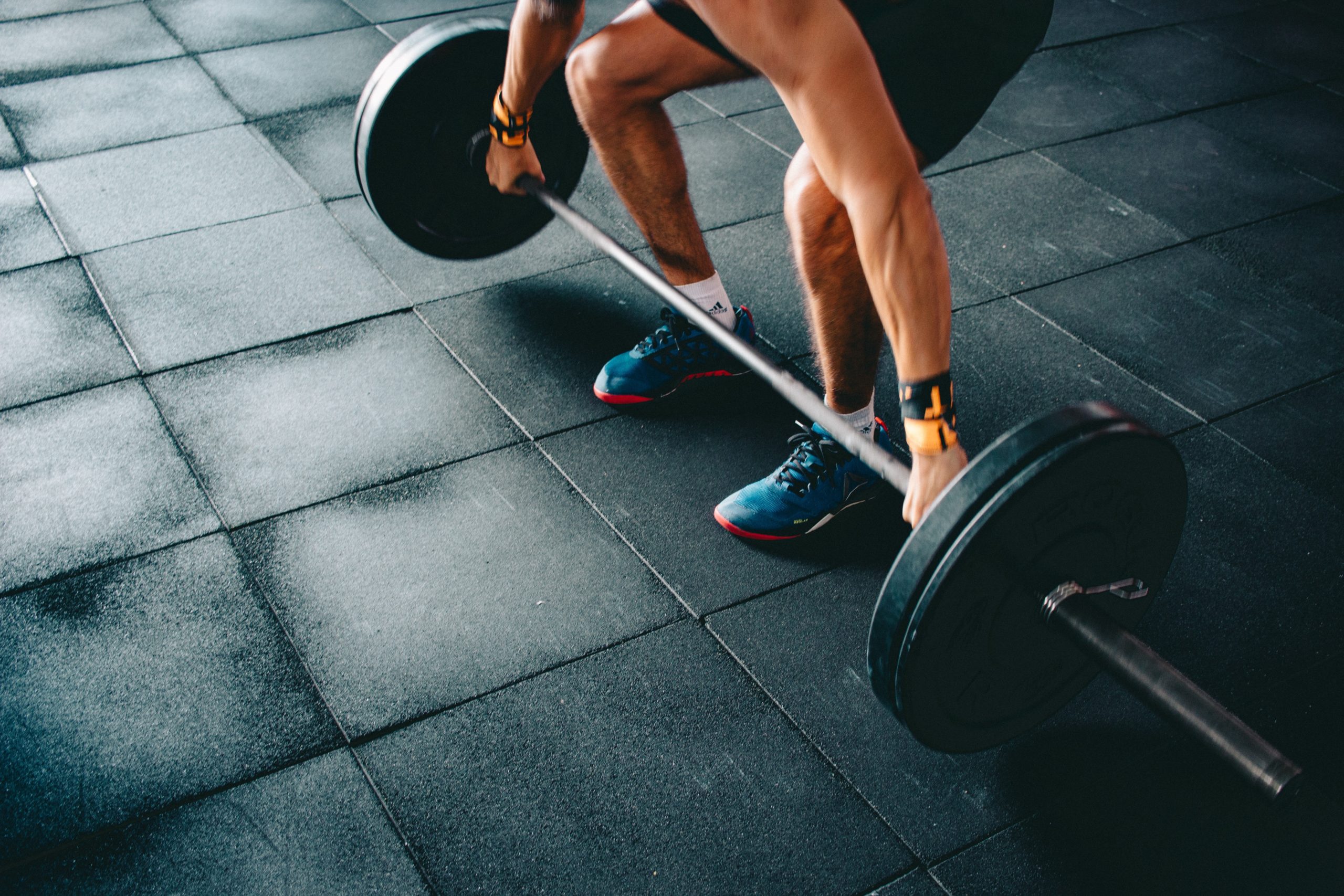
Let’s just say it out loud: most aesthetic fitness goals (for men and women) come down to muscle. Guys want size. Women want to look “toned,” “lean,” or “sculpted.” Different words, same biological process. You want muscle.
And building it isn’t complicated. It takes time, consistency, and understanding a few non-negotiables. But it is not complicated. Here’s what you actually need to know.
How to train for muscle growth
Strength train. Full stop.
There is no way to build muscle without resistance training. Cardio has its place, but it will not change your body composition the way lifting will. If you want to see a different body in the mirror, you have to pick up something heavy and do it consistently.
Whether you train full-body or use body-part splits depends on where you are. If you’re building your base or working out three to four days a week, full-body training is efficient and effective. If you’re more advanced and chasing specific aesthetic goals, dedicated splits (push/pull, upper/lower, or body-part-focused) allow you to get more volume per muscle group. Either works. Neither works if you’re not doing it.
Progressive overload is non-negotiable.
Your body is remarkably good at adapting to stress, which is exactly why you can’t do the same workout for six months and expect to keep seeing results. To build muscle, you have to give your body a reason to grow. That means progressively increasing the demand you place on it over time: more weight, more reps, more sets, or less rest.
If you’ve been on the same program for more than four to six weeks without intentionally increasing the challenge, it’s time to progress. This is the most skipped step in most people’s training, and the biggest reason progress stalls.
A good program has progressive overload built in. If yours doesn’t, that’s worth paying attention to.
How to eat to support muscle growth
Understand your calories first.
Before macros, before meal timing, before any of it — you need to understand your caloric baseline. Building muscle in a significant deficit is extremely difficult. Losing fat while preserving muscle requires eating at or near maintenance while maintaining a high protein intake. And if your goal is primarily muscle gain, a small surplus is often necessary.
The specifics depend on your body, your goals, and your training volume. A registered dietitian can help you dial in exact numbers, but at minimum, knowing roughly how much you’re eating relative to how much you’re burning is the starting point for everything else.
Protein is the priority macro.
Once you have calories sorted, protein is where your attention should go. Protein is what your body uses to repair and rebuild muscle tissue after training. Without enough of it, you can train hard and still spin your wheels.
Current research generally supports 0.7 to 1 gram of protein per pound of body weight as a solid target range for people who are actively strength training, with the higher end of that range being more appropriate for those in a caloric deficit or with more advanced training. If you’re not tracking yet, start there and adjust as you go based on how you feel and perform.
How to recover
More training is not always better training.
When you lift, you’re creating micro-tears in muscle tissue. Recovery is when your body repairs those tears and builds them back stronger and larger. If you’re not recovering — if you’re training every day with no rest, sleeping five hours, and running on stress — you are working against yourself.
Rest days are not a failure of discipline. They are a required part of the process. Two to three rest days per week is appropriate for most people. Full-body soreness that never resolves is a sign you need more recovery, not more training.
Sleep is doing more work than you think.
The majority of muscle repair and growth hormone release happens during sleep. Seven to nine hours isn’t a luxury recommendation — it’s a performance variable. If you’re training consistently, eating well, and still not seeing results, sleep is often the missing piece. It’s also the one people are most resistant to prioritizing, which is a whole other conversation.
You can out-train a bad program. You cannot out-train no sleep and no recovery.
One more thing
For the women reading this who are still worried about “getting bulky” — building noticeable muscle mass takes years of dedicated, intentional training, a caloric surplus, and in many cases, specific hormonal conditions. Lifting heavy will not accidentally make you enormous. What it will do is make you stronger, more metabolically efficient, better at everything physical, and yes — more visibly “toned,” because that’s just what muscle looks like under lower body fat.
Lift heavier than you think you should. Be consistent for longer than feels comfortable. Build a program with progressive overload baked in. Take your rest seriously. That’s it. That’s the whole thing.


Be the first to comment